
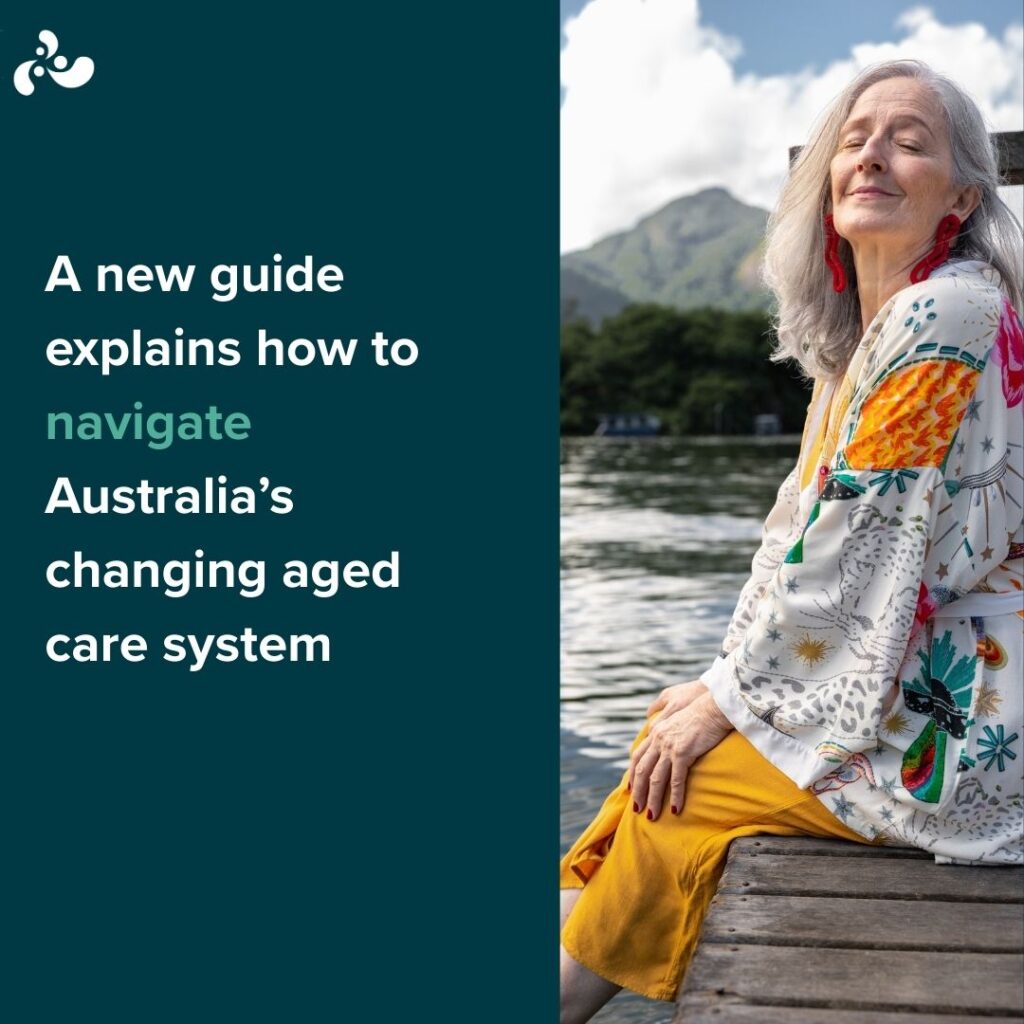
A new independent guide by an Illawarra health expert has been released to help older women in the region navigate Australia’s changing aged care system with confidence
How to Navigate the Support at Home Maze, written by Professor Kathy Eagar AM and Paul Sadlerand published in Pearls and Irritations, is designed to help older Australians and their families understand how to access home-based aged care following the introduction of the new Support at Home program in late 2025.
Professor Eagar is an Adjunct Professor in the Faculty of Medicine and Health at the University of New South Wales and a former professor of health services research at the University of Wollongong.
The guide is frank about the complexity of the new system and focuses on helping people make informed decisions.
Prof Eagar describes the reforms as “unnecessarily complicated and confusing”, but emphasises that understanding how the system works can reduce stress and improve outcomes.
She says people don’t need to understand every rule of the system, but they do need clear information about the key steps and the choices available to them.
A central message of the guide is the value of planning early. Access to government-funded aged care begins through My Aged Care, and waiting times for assessments and services can be lengthy.
Prof. Eagar advises people to apply before support is urgently needed, noting that early applications give them more time, more options, and greater control.
“There are over 100,000 ahead of you in the queue, so it’s a good idea to start the process well before you need it,” she said.
The guide also encourages people to prepare for assessments, considering their day-to-day needs and involving a trusted support person.
Importantly, the guide clarifies that Support at Home is only one option. While it offers higher funding levels, it also requires personal contributions that may not fit everyone’s budget.
For people with lower support needs, the guide points to the Commonwealth Home Support Programme (CHSP) as a practical alternative.
CHSP service providers are primarily not-for-profit community organisations, such as Meals on Wheels.
Eagar reminds readers that they have the right to refuse Support at Home and request CHSP instead if this better suits their circumstances.
The guide also reassures people that choices are not fixed. Service providers can be changed, decisions can be questioned, and advocacy support is available if outcomes do not feel right.
Illawarra Women’s Health Centre General Manager Jess Davidson said the guide is a valuable resource for women navigating a system that can feel overwhelming.
“Older women are often managing complex health needs, caring responsibilities and financial pressures at the same time, so having clear, independent information is critical,” Ms Davidson said.
“This guide helps break down a confusing system into practical steps and reinforces that women have choices, rights and support available to them. It’s an empowering resource that aligns closely with the work we do to support women to stay safe, informed and supported in their own homes.”
Five steps to take when navigating aged care
- Plan early and get support: Apply through My Aged Care before urgent assistance is needed, and involve a trusted support person to ask questions and track information.
- Prepare for the assessment: Think about your day-to-day challenges, request a home-based assessment where possible, and have someone with you to help ensure your needs are clearly understood.
- Know your options and your rights: Support at Home is not the only choice, and if costs are a concern, you may be able to choose the Commonwealth Home Support Programme instead.
- Choose providers carefully: Take time to compare providers, ask clear questions about fees, avoid pressure to sign quickly, and remember you can change providers if services don’t suit you.
- Ask for help when needed: If a decision doesn’t feel right, seek independent aged care advocacy, such as the Older Persons Advocacy Network.