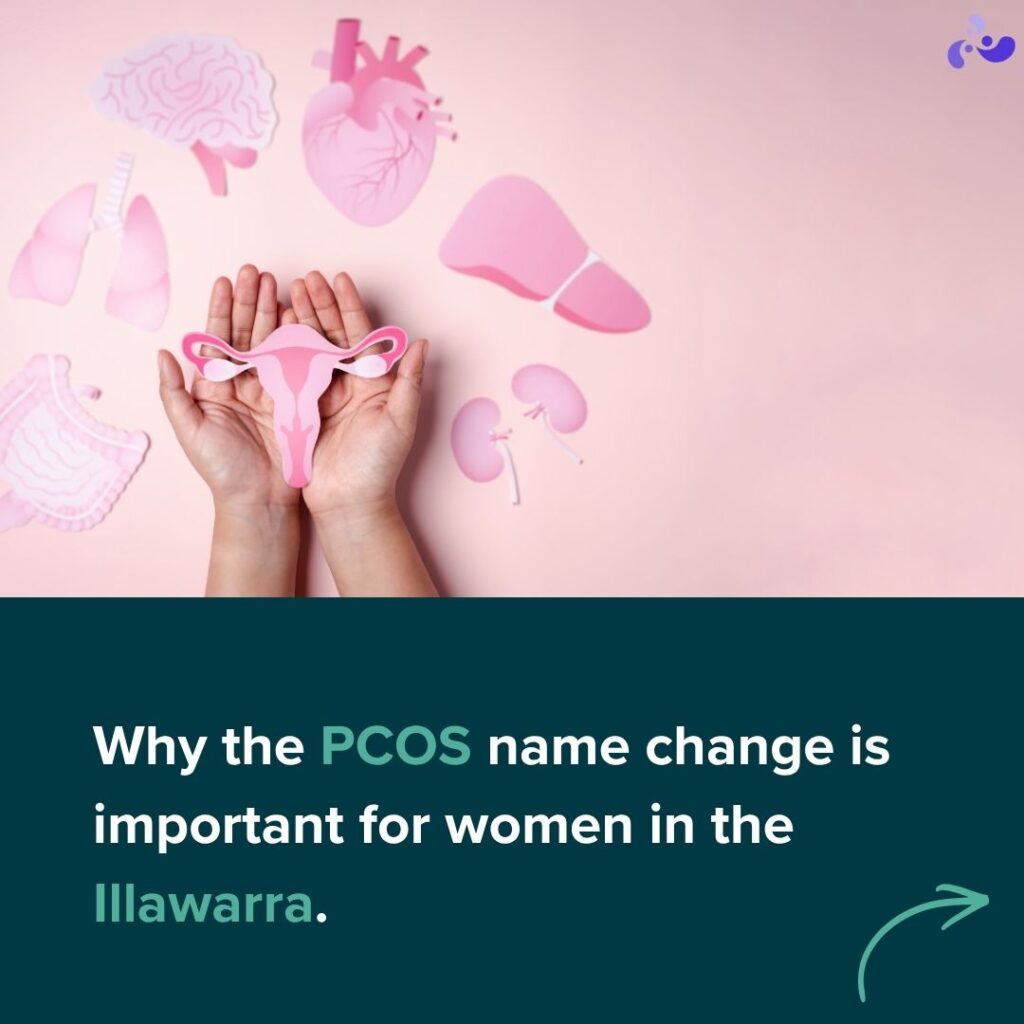
For decades, many women with PCOS have been treated as though they have a fertility condition.
Researchers now say that narrow understanding is one of the reasons women have missed out on earlier diagnosis and support for the condition’s wider impacts, including diabetes, heart disease and mental health.
Now, one of the world’s most common women’s health conditions has been renamed, with experts hoping the change will shift the focus from the ovaries to women’s overall health.
The Illawarra Women’s Health Centre says the new name is more than a cosmetic change. It is an opportunity to change the way women understand the condition and the care they receive.
Acting General Manager Tonina Harvey said the previous name had never captured the complexity of the condition or the reality of how it affects women’s lives.
“For many women, PCOS has never just been about their ovaries or their fertility,” Ms Harvey said.
“It can affect everything from mental health and body image to energy levels, weight, metabolism and long-term health. Having a name that better reflects that complexity is an important step towards ensuring women receive more holistic care.”
Following a global consensus process involving more than 14,000 women and health professionals, Polycystic Ovary Syndrome will now be known as Polyendocrine Metabolic Ovarian Syndrome, or PMOS.
Researchers say the previous name was misleading because many women diagnosed with the condition do not have ovarian cysts. In contrast, the condition itself is driven by complex hormonal and metabolic dysfunction.
They hope the new name will encourage more comprehensive care.
Rather than focusing primarily on irregular periods or fertility, clinicians are being encouraged to assess women for the condition’s broader health impacts, including insulin resistance, type 2 diabetes, cardiovascular disease, anxiety and depression.
The international review found the existing name contributed to misunderstanding, delayed diagnosis and fragmented care, with up to 70 per cent of women remaining undiagnosed.
Ms Harvey said that a broader understanding was critical.
“Women often spend years trying to understand why they are experiencing a range of symptoms that don’t seem connected,” she said.
“A more accurate name reinforces that this is a whole-body condition and encourages conversations about long-term health, not just reproductive health.”
Australian health organisations have begun using the new name, with a three-year transition underway before it is expected to be fully incorporated into international clinical guidelines in 2028.