The Illawarra Women’s Health Centre is backing women in public life and calling for stronger action on online abuse, as new research reveals the extent to which misogyny, threats and intimidation are pushing women away from politics.
A new report from Women for Election found 88 per cent of the 110 elected women and candidates surveyed had experienced online abuse or intimidation linked to their political involvement, with 76 per cent saying the problem had become worse over the past two years.
The abuse ranged from misogynistic and gendered attacks, experienced by 70 per cent of respondents, to coordinated pile-ons, threats, intimidation, doxxing and impersonation.
But what concerns us most is what happens next.
More than eight in 10 women surveyed said they had changed their behaviour because of online abuse, while 64 per cent said it had made them less likely to run again, seek higher office or encourage other women to run.
Half said that, had they known the extent of the abuse they would face, they may not have put their hand up in the first place.
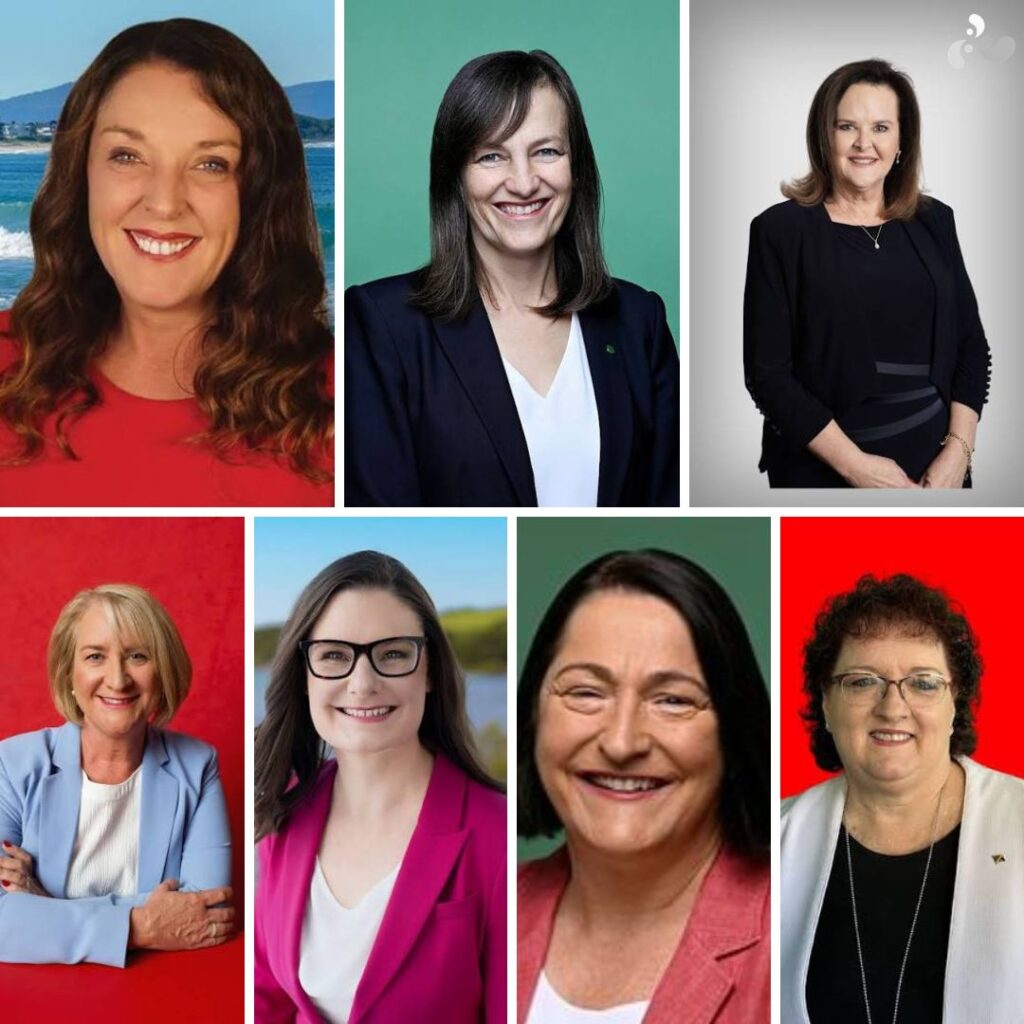
Here in the Illawarra, women represent our communities at every level of government, including Federal Member for Cunningham, Alison Byrnes, Federal Member for Whitlam, Carol Berry, Federal Member for Gilmore, Fiona Phillips, NSW representatives Anna Watson, Kaitlin McInerney, and Maryanne Stuart, while Tania Brown leads as Lord Mayor of Wollongong.
“Women should be able to put their hand up to represent their communities without accepting misogyny, threats and intimidation as part of the job,” Illawarra Women’s Health Centre Acting General Manager Tonina Harvey said.
“We have strong women representing the Illawarra at every level of government and we stand by them. We may not always agree with every decision they make, but there is a clear difference between political debate and abuse designed to intimidate and silence women.”
At the Illawarra Women’s Health Centre, we stand by the women who put themselves forward to represent our communities, regardless of their political party.
We also want to see more women, supported by all men in politics, coming through behind them.
“It seems extraordinary that, at all levels of government, there is recognition of the damage that family and domestic violence is doing to our communities, but there appears to be a failure to support and protect women in politics from abuse and treats of violence,” Ms Harvey said.
“What really concerns us about this research is the impact on the women coming next. If women are looking at the abuse female politicians receive and deciding they don’t want to put themselves through it, we lose good women from public life before they’ve even had the chance to contribute.”
“We need more women putting their hands up to lead and represent our communities, not fewer. That means making it clear that gendered abuse has no place in our politics.”
The report found the impact also reaches beyond elected representatives and candidates, with 45 per cent saying family members or campaign supporters had been targeted because of their political involvement.
The Illawarra Women’s Health Centre is backing Women for Election’s call for a National Action Plan, including stronger protections against online abuse, greater responsibility from political parties, better digital safety and wellbeing support, protections during election periods and greater accountability for social media and AI platforms.