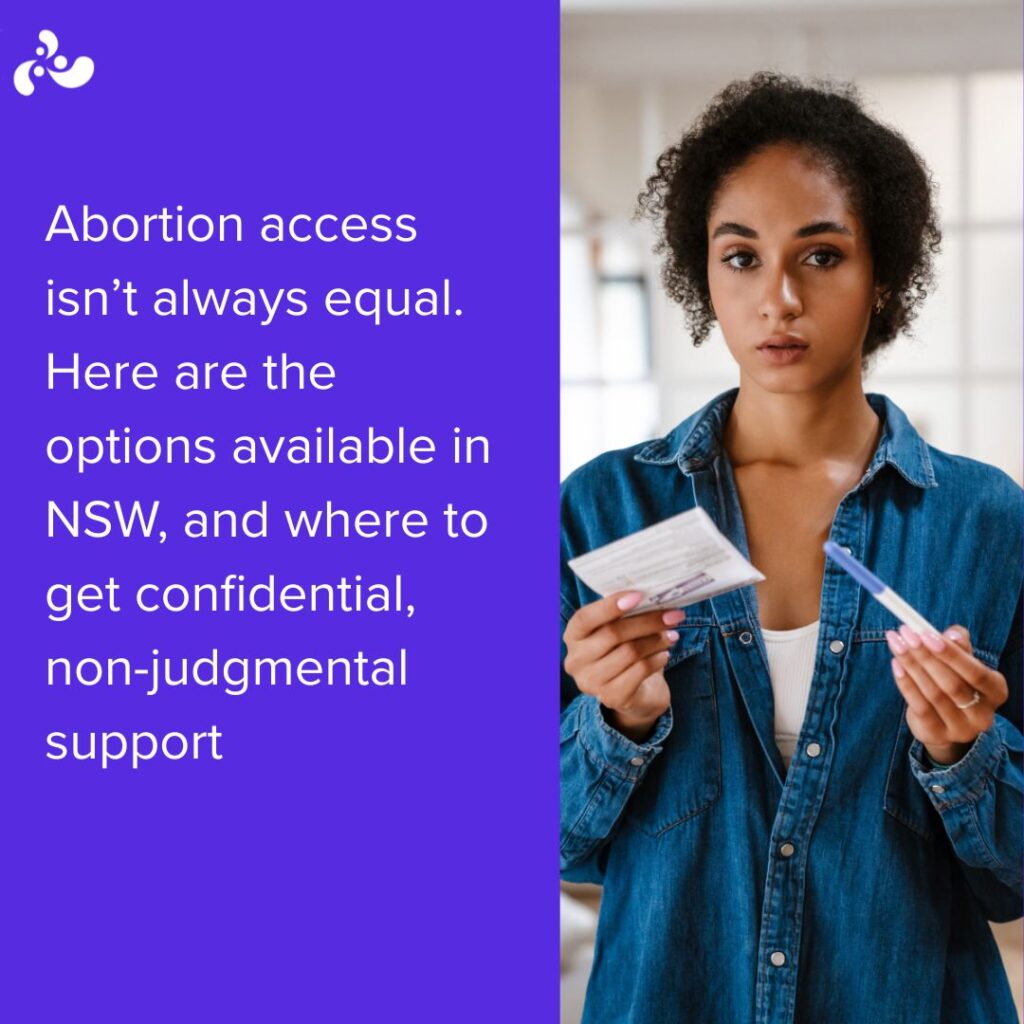
Abortion is legal everywhere in Australia, but your access to it may still depend on which hospital or clinic you walk into, according to a new study.
The research, published in SSM – Qualitative Research in Health, warns that some health services are refusing to provide abortion care even when it is legally permitted. This can create an uneven system where women face delays, confusion and the stress of being passed from service to service.
In Australia, there are several pathways to access abortion, depending on how many weeks pregnant a woman is, where they live, and what services are available locally.
“We see the impact of these gaps locally,” said Jess Davidson, General Manager of the Illawarra Women’s Health Centre.
“Women in the Illawarra are still struggling to find accessible abortion care close to home. It’s important that women know their options so they can advocate for themselves and get the care they need without delay.”
Below, we explain the options available to women in New South Wales.
Medical Termination
For early pregnancies, medical termination can be provided through a GP or nurse practitioner, using medication such as MS-2 Step, which is approved for use up to nine weeks’ gestation.
An ultrasound and blood test is usually required before having a medical abortion.
It usually involves taking two different medicines over one or two days, and the process typically happens at home.
In many parts of Australia, you can access medical termination through a GP who provides abortion care, sexual health clinics or via telehealth services.
Surgical Abortion
A surgical abortion is carried out in a clinic or hospital by a trained GP or gynaecologist.
In some circumstances, abortion care may also be available in the public system. Medicare may cover part of the cost, but out-of-pocket fees often apply. Access can depend heavily on where you live, hospital policies, GP referral pathways and waiting times.
Most surgical abortions are done under sedation or a light anaesthetic. To have a surgical abortion, you will need to be at the clinic for about four hours.
The Morning-after Pill
It’s also important to distinguish abortion from emergency contraception.
The morning-after pill is not an abortion pill. It works by delaying or preventing ovulation, meaning it can stop a pregnancy from starting if taken in time.
It does not end an established pregnancy, and it does not affect an embryo that has already implanted in the uterus.
It’s used after unprotected sex, or if contraception fails (like a broken condom). It works best as soon as possible.
Gaining Advice
The Illawarra Women’s Health Centre provides safe, confidential and non-directive pregnancy counselling, supporting each woman to explore their options without judgment or pressure, so they can make the decision that’s right for them.
Ms Davidson said this counselling was key to helping women make informed decisions.
“Choice matters because every pregnancy and every life circumstance is different, and women deserve to feel informed, respected, and in control of their own bodies and futures.”
The Illawarra Women’s Health Centre can support women’s sexual and reproductive health needs, including abortion support. We also offer non-directive pregnancy counselling in a trauma-informed and non-judgmental environment. Contact us on 4255 6800 to find out more.