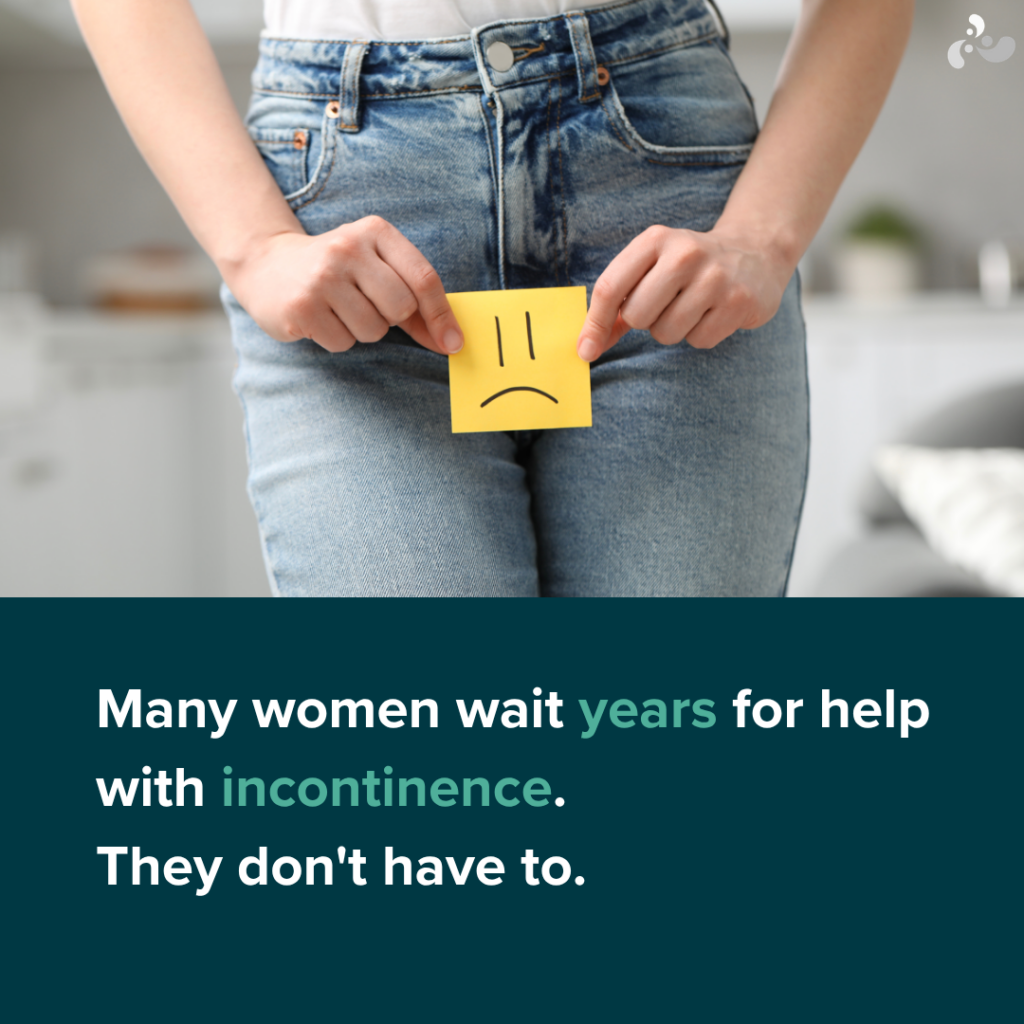
Bladder or bowel leakage affects millions of Australians, yet many women put off seeking help because they assume it’s a normal part of ageing or having children. But health professionals say support is available and early treatment can make a significant difference.
More than 7.2 million Australians were living with incontinence in 2023, with that number expected to rise to 8.6 million by 2032.
Despite how common it is, many people wait four to six years before seeking treatment, often because of embarrassment or the belief that nothing can be done. Women are also twice as likely as men to experience incontinence.
Illawarra Women’s Health Centre Nurse Practitioner Editt Melgarejo said many women delayed seeking help because they thought bladder or bowel changes were simply something they had to put up with.
“Incontinence is common, but it isn’t a normal part of ageing or motherhood that women should simply accept,” Ms Melgarejo said.
“We see women who have spent years changing their daily routines around their symptoms. They stop exercising, avoid travelling, always make sure they know where the nearest toilet is or wear pads every day because they think there’s no alternative.”
The Illawarra Women’s Health Centre offers continence assessments for women experiencing bladder or bowel concerns. During an appointment, women can discuss their symptoms in a supportive, confidential environment and receive an individual management plan tailored to their needs.
Bladder leakage can include losing urine when coughing, sneezing, laughing, or exercising; experiencing sudden urges to use the toilet; waking several times overnight; or finding it difficult to empty the bladder fully.
Bowel symptoms such as accidental leakage, ongoing constipation or difficulty controlling bowel motions can also be signs that it’s time to seek professional advice.
Even mild symptoms are worth assessing, as early intervention can help prevent them from worsening.
Ms Melgarejo said many continence issues could be improved with conservative treatment.
“For many women, small changes can make a significant difference. Pelvic floor rehabilitation, bladder training, improving bowel habits and addressing contributing factors such as constipation are all evidence-based treatments that can improve symptoms.”
You can book an appointment with our Nurse Practitioner by calling 4255 6800.